Growing Swiss Chard
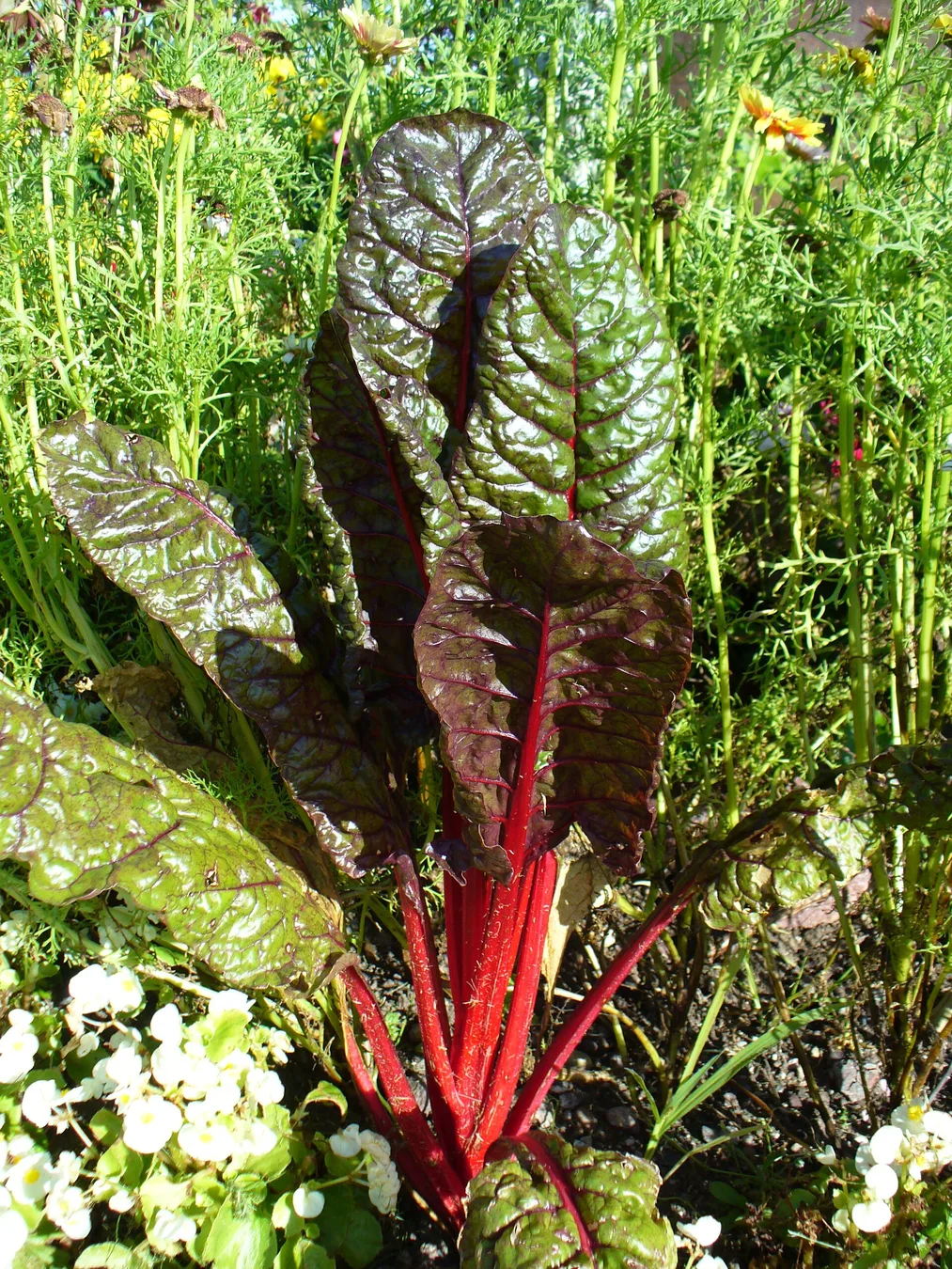
Swiss chard bridges seasons better than many greens and tolerates summer better than spinach.
When to plant
Chard can supply leaves over a longer stretch than a single head crop. Sow or transplant from spring into summer according to local conditions, then choose a place you can return to repeatedly for picking.
Make room for the crop
Leave enough space to reach outer leaves without trampling neighboring plants. Keep the center growing while you harvest around it. A few well-placed plants can be easier to use than a crowded patch that hides damaged leaves.
Water
Check moisture below the broad leaf canopy, including after rain that may not wet the bed evenly. Compare new leaves with old ones when you notice damage. Record the usable harvest as well as appearance so a few imperfect outer leaves do not obscure continued growth.
Harvest
Cut outer leaves and their stalks while leaving the center intact for continued growth. Young leaves suit a tender harvest; larger leaves and stems may be more useful cooked. Harvest guidance: University of Delaware Extension.
Common problems
Check whether damage affects new leaves, old leaves or both. Record the usable harvest after removing damaged material rather than judging only appearance.
Use the disease-condition checklist to decide what to inspect and which cultural conditions to improve. It does not identify a pathogen from these observations.
Field notes
Harvest outer leaves and let the center continue growing.