Growing Beans
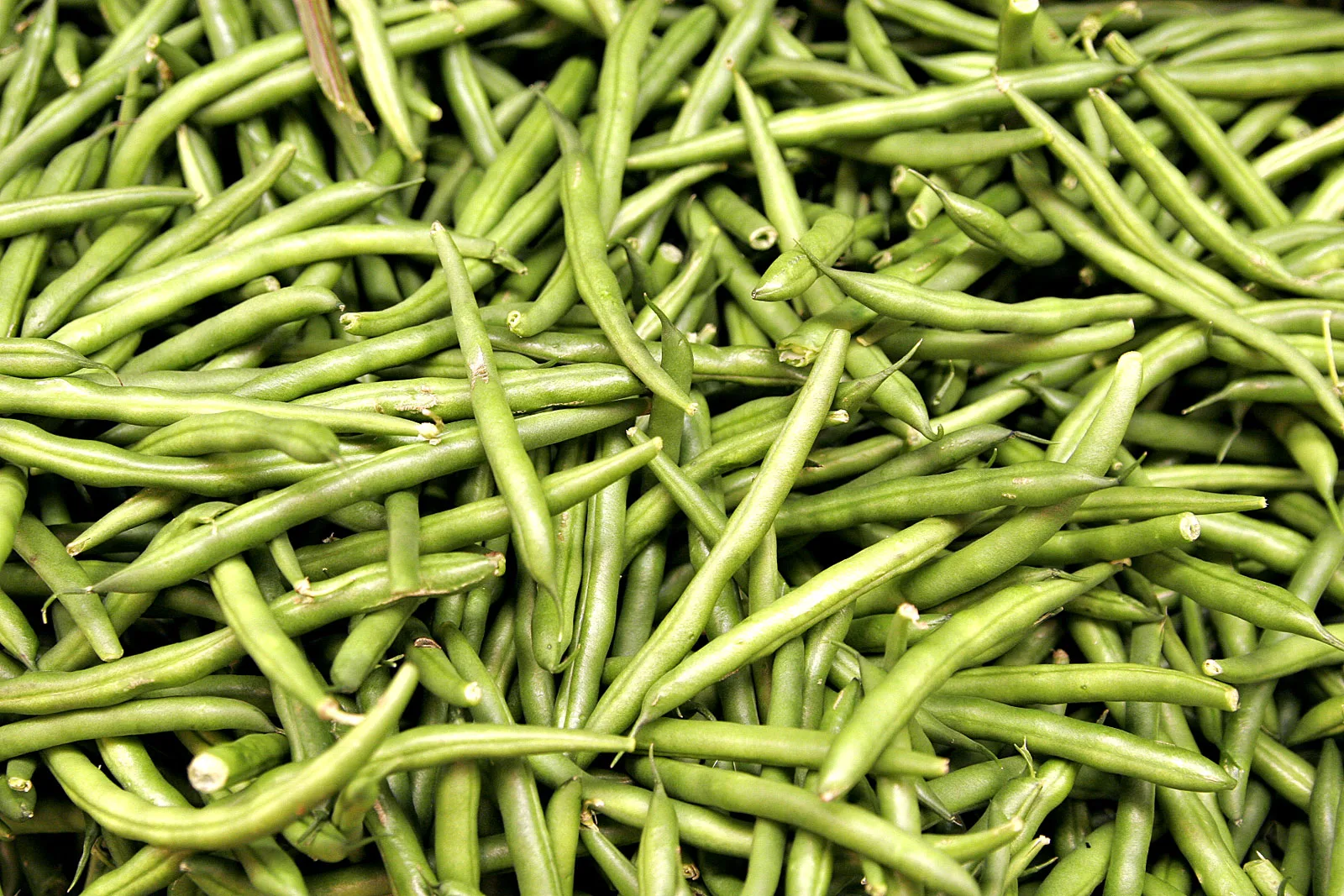
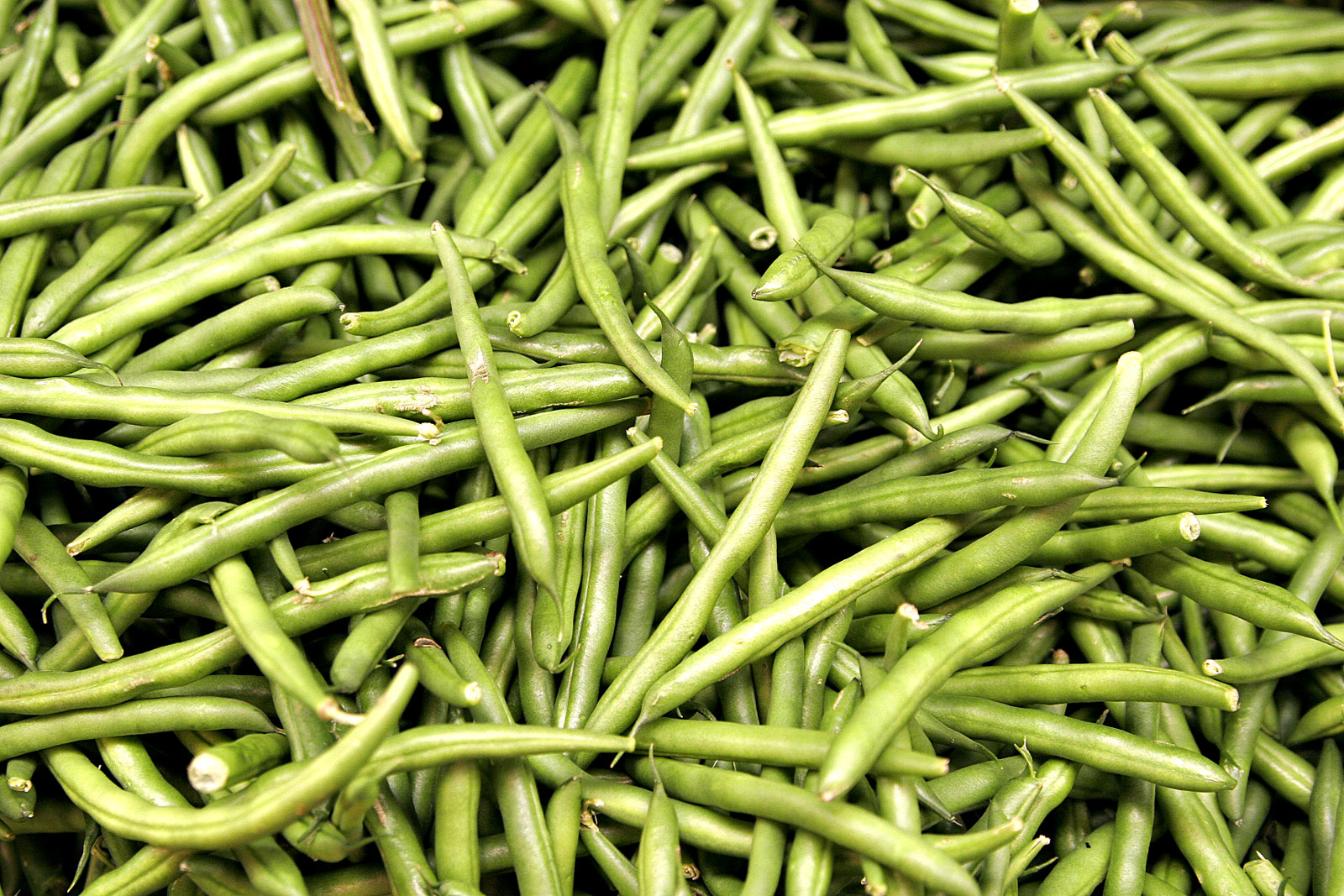
Beans are direct, productive, and generous. They germinate quickly in warm soil and produce heavily when harvested often.
When to plant
Choose bush or pole beans before sowing: that choice determines whether this is a short row to pick or a climbing crop that needs support. Sow directly after frost danger has passed and the seedbed has warmed. A cold, wet bed is a poor place to hurry the season.
Make room for the crop
Put a pole-bean support in place before the vines need it. For bush beans, leave a route along the row so you can pick without stepping into the bed. Use the spacing for the type you are growing; the same footprint cannot hold either type equally well.
Water
Check the seed zone until the row emerges. Later, check beneath the foliage rather than judging moisture from the path. When pods begin forming, keep a consistent picking route so drought stress and missed, swelling pods are easier to notice.
Harvest
Pick snap beans before the seeds fully develop. Harvest reference: University of Minnesota Extension.
Use the maturity estimate to schedule a first inspection. Let the plant’s condition and the harvest you want decide the picking date.
Common problems
Inspect pods as well as leaves. Record whether damage starts at the edge of the planting or appears across the whole row; photograph the underside of affected leaves.
Use the disease-condition checklist to decide what to inspect and which cultural conditions to improve. It does not identify a pathogen from these observations.
Field notes
Do not plant beans into cold wet soil. Once they begin producing, pick regularly to keep plants working.