August: the giant yellow cucumber
Large and yellow usually means seed-mature, not automatically spoiled. The skin has aged, the seed cavity has expanded, and the flavor may have declined.
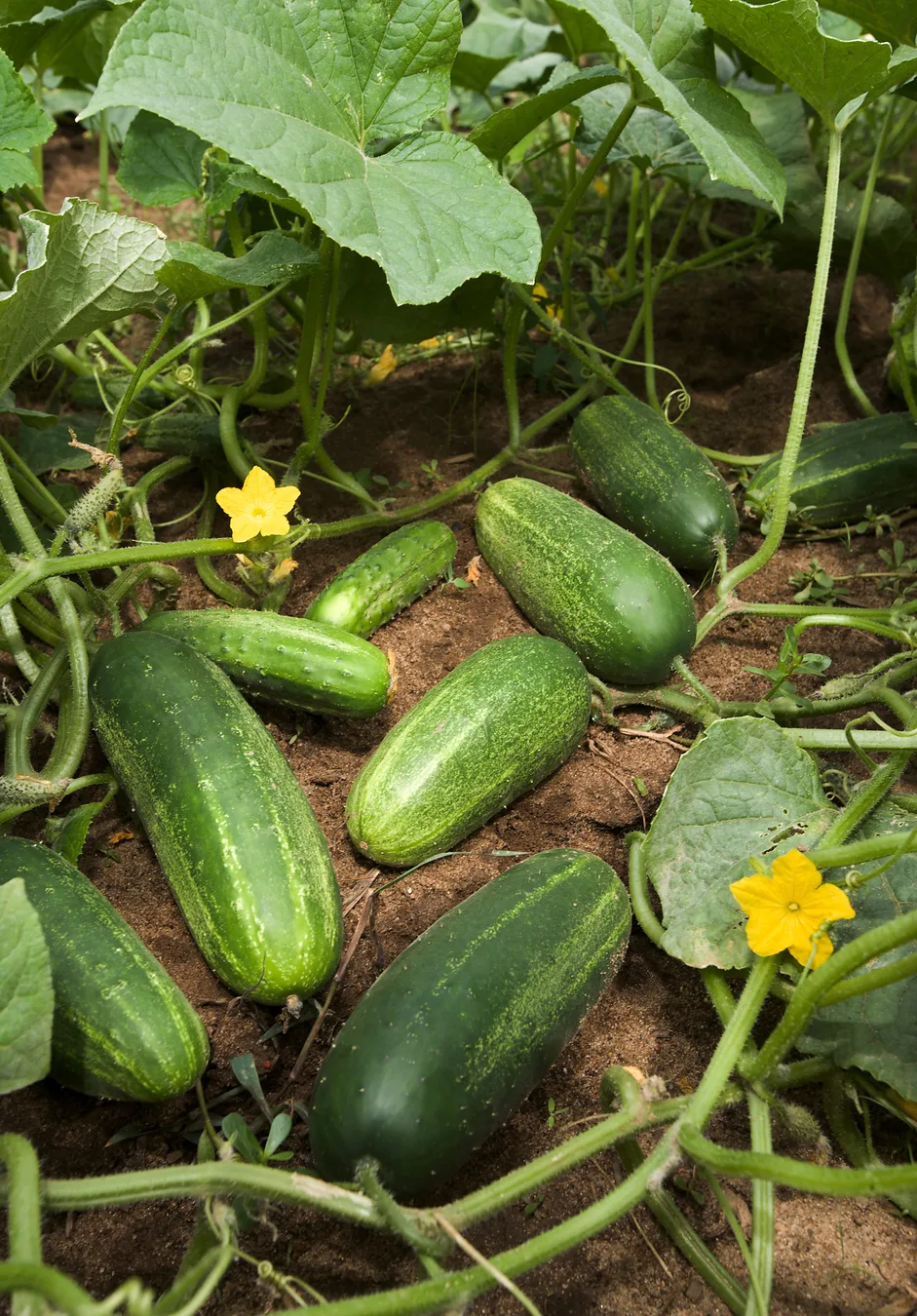
Make the decision
First: discard fruit that is rotten, moldy, leaking, or foul-smelling.
Then: peel sound fruit, split it, scoop the mature seed cavity, and taste a small piece of the firmer outer flesh.
If it tastes mild
The remaining flesh may work better cooked, blended, or chopped into relish than served like a crisp young cucumber. Texture matters as much as flavor.
If it tastes bitter
Stop tasting and discard it. Do not try to rescue a strongly bitter cucumber by cooking it or mixing it into a dish.
If you want seed
An overripe fruit is closer to the stage needed for mature seed. Save seed only when you know the plant is an open-pollinated variety and the fruit came from a healthy plant. An F1 hybrid will not reliably reproduce the same variety, and nearby cucumber varieties may have crossed.
Label saved seed with the variety, garden location, harvest date, and uncertainty about crossing. The honest label is part of the seed.
Help the remaining vine
Remove overripe fruit, resume frequent harvest, and check water stress. Fruit often hides where foliage overlaps the trellis or rests on the ground.
Record how the fruit was hidden and the last date you checked the vine. A better harvest route may solve the problem more effectively than a reminder.