Growing Gooseberries
Massachusetts: confirm permission before buying plants. Gooseberries are restricted by municipality, and the nursery or shipper must obtain the required state permit before planting material is supplied. Do not treat a nursery listing as permission to plant. Check the current Massachusetts Department of Agricultural Resources guidance. Reviewed September 23, 2026.
At a glance
| Question | Practical answer |
|---|---|
| Plant type | Perennial shrub fruit |
| Light | Full sun to partial shade |
| Soil | Moist but well-drained soil |
| Spacing | Often 3-5 ft apart |
| Main work | Pruning for airflow, mulch, harvest access |
| Common failure | Crowded thorny shrubs with poor airflow and missed fruit |
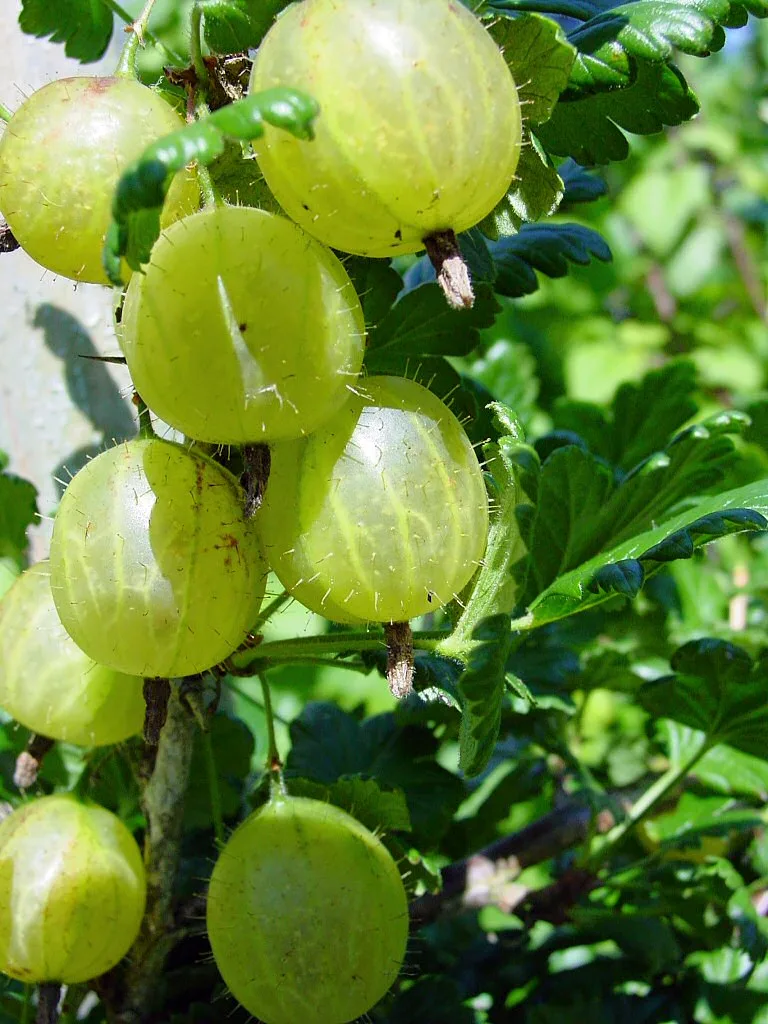
Gooseberries are productive shrub fruits for gardeners who can give them airflow, pruning, and harvest access. Some varieties are thorny, some are nearly thornless, and fruit flavor ranges from tart cooking berries to dessert-quality fresh fruit.
Like currants, gooseberries may be regulated in some areas because of white pine blister rust history. Check local rules before planting.
Site and planting
Choose a site with good drainage and enough sun for fruiting. Gooseberries can tolerate some shade, but dense shade reduces productivity and increases disease pressure.
Plant dormant bare-root shrubs in spring or potted shrubs during mild weather. Mulch after planting and keep weeds down. If the variety is thorny, leave extra room around the plant so harvest is not a wrestling match.
Pruning
Pruning makes gooseberries more productive and more humane to harvest.
Remove:
- dead or broken canes;
- branches lying on the ground;
- crowded interior growth;
- weak old wood;
- diseased or damaged shoots.
Aim for an open shrub where light reaches the center and hands can reach the fruit. Gloves help, but structure helps more.
Water and mulch
Consistent moisture supports fruit sizing. Mulch reduces weed competition and keeps the root zone even. Avoid burying the crown.
Gooseberries can sunscald in hot exposed sites, especially when fruit is suddenly exposed after heavy pruning. In hot climates, afternoon shade may be useful.
Harvest
Gooseberries can be harvested underripe for cooking or fully ripe for fresh eating, depending on the variety and use. Taste determines the moment.
Pick regularly. Fruit hidden inside the shrub can overripen or fall if the plant is too dense.
Problems to watch
| Problem | Watch for | First response |
|---|---|---|
| Powdery mildew | White coating on shoots or fruit | Improve airflow; choose resistant varieties |
| Sawfly larvae | Rapid defoliation | Inspect early and remove larvae |
| Birds | Missing ripe fruit | Net if pressure is high |
| Thorn injury | Difficult harvest | Prune open structure; use gloves |
Field notes
Record variety, thorniness, fresh or cooking quality, harvest stage, mildew pressure, pruning response, and bird pressure. Gooseberries are worth evaluating by use: the best jam berry may not be the best fresh berry.